Solar vs Generator: Which Is Cheaper to Power a Home in 2026?
Solar & Renewable Energy
Power costs are no longer a side issue for homeowners. In 2026, frequent outages, rising fuel prices, and higher electricity tariffs are forcing families to choose between solar power systems and fuel generators. The real question is not convenience, but long-term cost.
Upfront Cost vs Lifetime Cost Tells Two Different Stories
Many homeowners judge cost by what they pay on day one. That approach often leads to the wrong decision.
A typical home solar setup in the U.S. costs between $3,000 and $7,500. That usually includes solar panels, an inverter, batteries sized for backup power, and professional installation. Once everything is in place, sunshine is free. With basic care, panels can last 20 to 25 years.
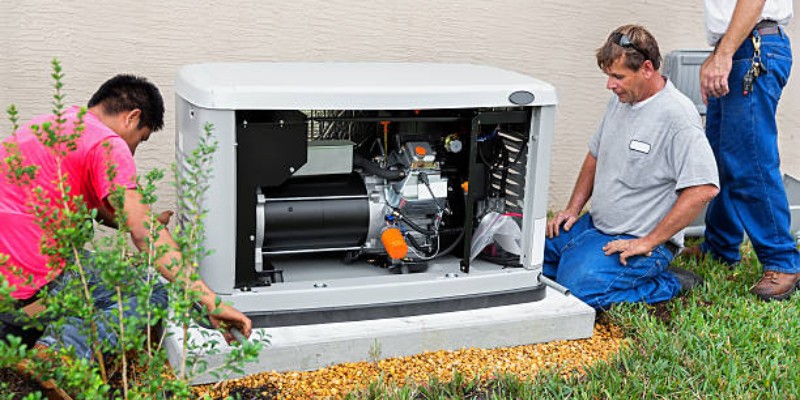
A portable or standby petrol or diesel generator, by contrast, might cost $400 to $1,200 upfront. That looks cheaper. But generators start costing money the moment you use them. Fuel, oil changes, routine servicing, and parts replacements begin right away and never stop. Over five years, fuel alone can easily cost more than the generator did to buy.
One useful way to think about it is this: a solar system behaves more like a fixed asset that produces electricity year after year. A generator feels more like a recurring expense because you keep paying for fuel and repairs.
Fuel Prices Are the Biggest Cost Driver
If you want a long‑term picture, fuel prices matter a lot.
Generator costs go up every time fuel prices climb. In recent years, global fuel markets have stayed unstable because of supply shifts, currency swings, and changes in energy policy. A small to mid‑size generator running six hours a day could burn 1–2 liters of fuel per hour. At an average of about $1.30 per liter, that adds up to $2,300 to $4,600 in fuel each year, and $23,000 to $46,000 over a decade, just for fuel.
Solar systems don’t have that issue. After installation, you are not tied to fuel markets. Electricity from the sun doesn’t fluctuate with oil prices, and that makes budgeting easier for homeowners who care about predictable bills.
If you’re comparing lifetime costs, always calculate fuel based on your local prices over the last 12 months. Fuel costs vary a lot between states and regions, and that will strongly influence your comparison.
Maintenance Costs Favor Solar Over Time
Maintenance is another area where generators wear you down financially.
Generators have many moving parts. They need oil changes every 50 to 100 hours of operation. Spark plugs, air filters, fuel lines, belts and starter batteries wear out and need replacing.
If you want the unit to last, you can’t skip servicing. Annual maintenance for a typical home generator often costs $150 to $400, depending on how often you use it and whether parts are easy to get.
Solar power systems require far less upkeep. Solar panels have no moving parts. Most of the time, you just need to keep them clean and ensure the inverter is working right. Inverters may need to be replaced once or twice over 20 years, and that can cost $800 to $1,500. Even including that, the total maintenance bill is usually far lower than for a generator.
When you get quotes for a solar system, ask installers to break out estimated maintenance costs for the first 20 years. That makes cost comparisons with generators clearer.
Energy Efficiency and Wasted Power
Efficiency affects how much usable electricity you get from what you spend.
Internal combustion generators are inherently inefficient. A typical petrol or diesel generator converts only about 20 to 30 percent of the energy in fuel into electricity. The rest is lost as heat and noise.
Modern solar panels are more efficient at turning sunlight into electricity. Most residential panels convert 20 to 23 percent of sunlight into power that you can use or store. Batteries capture unused energy for later use, which reduces waste even further.
That efficiency gap matters over time. With a generator, you keep paying for fuel that mostly becomes heat. With solar plus batteries, you capture more of the energy you pay for up front.
If you’re sizing a solar system, look at your household’s peak usage hours and plan battery capacity to cover those. That way you use more of your own solar power and rely less on the grid or a generator.

Daily Usage Patterns Matter More Than People Think
How you use power in a typical home shapes the real cost outcome over time.
Solar Matches Household Habits Better Than Generators
Most homes use the most power during daytime hours for appliances, lighting, and electronics. Solar panels generate energy when demand is highest—during daylight. If you produce more than you need, systems with net metering can send excess back to the grid and offset future usage. Some utilities even pay credits that reduce monthly bills.
Generators are usually used only during outages or at night. Short runs like this are inefficient. They burn a lot of fuel just to start and stop, increasing wear and waste. Many households limit generator use to save on fuel, which means rationing power or going without comfort.
Solar lets you use energy throughout the day without worrying about fuel costs. A practical tip for homeowners: track your hourly usage with a smart meter or utility portal for a week. That helps size the solar array and battery so it aligns with your real demand rather than estimates.
Noise, Health, and Hidden Costs Add Up
Cost isn’t only financial. Quality of life matters when choosing a power source.
Generators Create Hidden Health and Social Costs
Gas and diesel generators produce significant noise—often between 65 and 90 decibels—which can disturb sleep, concentration, and relaxation for people nearby. They also emit fumes that contribute to air pollution both inside and outside your home.
These indirect impacts-medical costs for respiratory symptoms, reduced productivity because of noise, and disputes with neighbors-are rarely included in basic generator budgets. Solar systems run silently and produce no fumes, removing those hidden burdens.
Public health agencies increasingly factor non-financial costs like noise and air quality into energy choice assessments. That broader perspective helps homeowners see beyond just purchase price.
Reliability During Long Outages
Keeping the lights on during extended outages has a cost too.
Solar With Batteries Outperforms Generators During Extended Outages
Generators depend entirely on available fuel. During widespread shortages, supply disruptions, or emergency events, getting fuel can be difficult or impossible. Outages in many parts of the country now last days, not just hours.
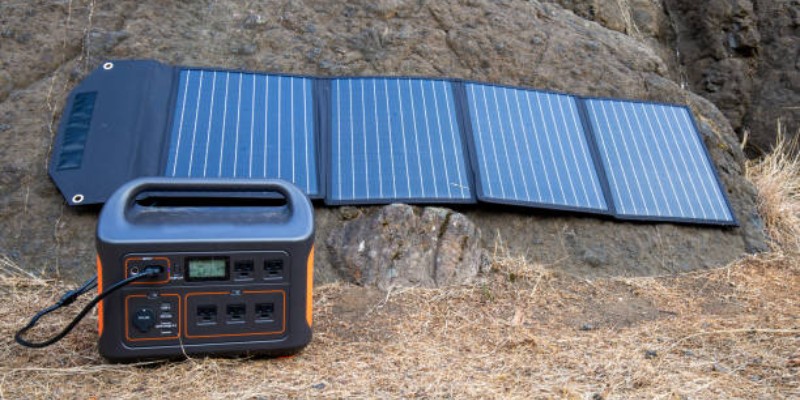
Solar systems paired with battery storage can run a home independently for several days. When batteries drain, panels continue to recharge them each day. This self‑replenishing cycle gives solar a reliability edge that generators can’t match once fuel runs low.
Note: choose a battery capacity that covers your home’s critical loads (like refrigerator, lights, and internet) for at least 24–48 hours. Over‑sizing slightly beyond that gives peace of mind during multi‑day outages.
Government Incentives Change the Cost Equation
Policy support still matters when comparing long‑term costs.
Solar Benefits From Incentives; Generators Do Not
In recent years, the U.S. federal Investment Tax Credit (ITC) has allowed homeowners to deduct 30% of solar and battery system costs on federal taxes if installed by the end of 2025. State and local rebates can add hundreds or thousands more in savings, making solar significantly cheaper than before.
Generators receive no comparable government support and may face stricter emission and noise regulations in some areas. Some municipalities already limit generator use because of pollution and disturbance concerns.
If you’re thinking long term, check both federal and local incentives early in your planning. Those savings can cut years off your payback period.
Real Cost Comparison Over 10 Years
Putting real numbers side by side shows the big differences.
Ten‑Year Cost Comparison Favors Solar by a Wide Margin
Typical costs for a standby generator over ten years can add up to tens of thousands once you include fuel and maintenance, while a solar plus battery setup remains predictable and lower overall. For example, a comparative analysis showed that over a 20‑year horizon, solar‑plus‑battery systems were roughly half the total cost of generators when fuel, maintenance, and replacement were included.
Even within a 10‑year window, homes using solar with battery storage benefit from zero fuel costs, lower annual maintenance, and steady value from net metering or bill offsets.
When a Generator Still Makes Sense
Generators are not useless. They have roles in specific situations.
Generators Work as Short‑Term or Backup Solutions Only
For very limited use, remote temporary sites, or as an occasional emergency backup, generators may be practical. They’re also an option as a secondary backup for homes that already have a solar and battery system and want extra reserve for very long outages.
However, as a primary power source for most households, ongoing fuel costs, maintenance, noise, and emissions usually make generators more expensive over time.
Making the Smarter Power Choice
Choosing between solar and a generator isn’t just about convenience or trends. It’s about long-term cost control, reliability, and predictable budgets.
Solar power systems require a bigger upfront investment and planning, but they protect homeowners from fuel price swings, reduce maintenance expenses, and deliver steady energy costs for decades. Installing a system that matches your actual energy patterns-based on real usage data rather than guesses-is one of the best ways to ensure your setup pays off sooner.
First step: get at least three quotes from reputable installers, ask for itemized cost breakdowns, and compare lifetime costs with a basic generator alternative. That side-by-side analysis will give you clarity on which option truly saves money and hassle over time.
Share this article:
Recommended For You






Most Viewed



ADVERTISEMENT